
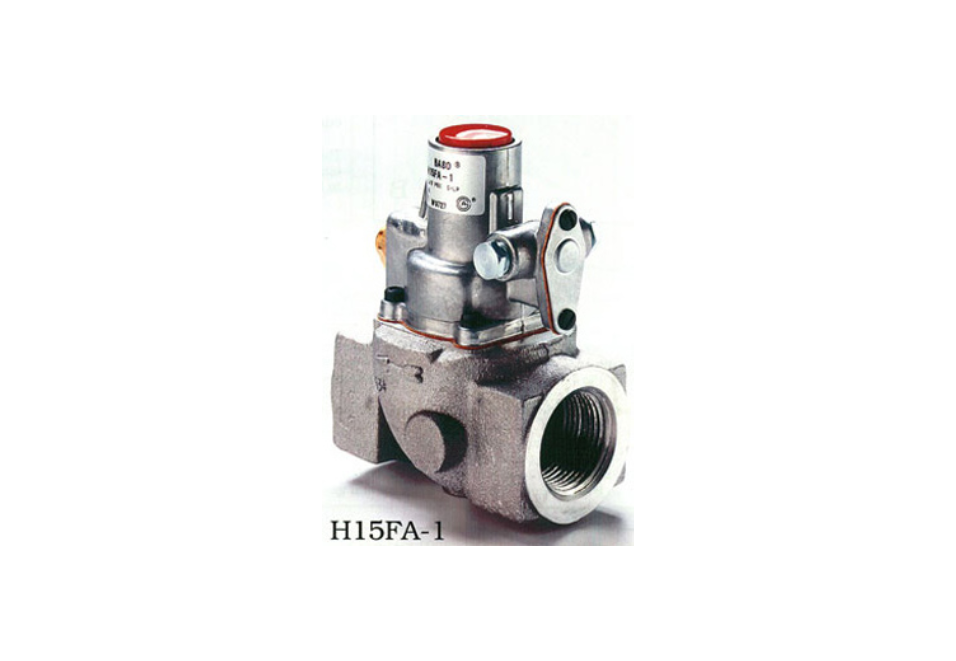
Industrial gas burners rely on simple, proven safety parts. Baso-style gas valves and flame safeguards are among the most common. They appear on Buzzer burners and many Hones furnace packages. They protect people and equipment. They keep fuel flowing only when a verified flame is present.
This overview defines the key components. It explains how they work together on natural gas and propane systems. It notes common failure signs and practical replacement paths. It closes with straightforward guidance on inspection intervals and when to call for parts support.
Definitions and core purpose
Baso valves and switches serve one mission, to admit gas only when it is safe to do so. In typical pilot-ignited systems, a thermopilot verifies flame at the pilot. If the pilot is proven, the main valve opens to the burner.
- Pilot valve: A small valve that feeds the pilot burner. It can be manual or solenoid-operated. It supplies a steady, low flow for lighting and flame supervision.
- Thermopilot assembly: A pilot burner paired with a thermocouple or thermopile. The hot junction generates a small electrical signal or magnetic force that holds a safety mechanism in the open position. If the pilot goes out, the signal stops and the valve closes.
- 100% safety shut-off: A gas train arrangement that closes all fuel paths if flame is not proven. No by-pass. No trickle flow. It is a full shut-off until flame is relit and proven.
- Slow-opening combustion valve: A main valve with controlled opening speed. It limits instant pressure surges and helps prevent flame lift-off or flashback on light-off.
- Baso-style gas valve: A mechanically latched safety valve that is held open by a magnet energized by a thermocouple or thermopile at the pilot flame. If the flame fails, the magnet releases and the valve snaps shut. Many models are field-proven and serviceable.
- Baso switch: A flame-safety or limit switch sold under the Baso nameplate. Often a high-limit temperature cutoff, low-gas-pressure switch, or airflow/draft-proving switch wired in series with the safety circuit. If any unsafe condition is sensed, the switch opens the circuit and the gas valve closes.
In short, the furnace gas valve admits fuel to the burner only when upstream interlocks are satisfied and flame is proven. It is the last controlled gate before combustion.
Applications on industrial burners and furnaces
Charles A. Hones, Inc. supplies Baso-style safety on many Buzzer burners and furnace packages. The approach is practical. Venturi burners run on low gas pressures common to facilities. The safety train is simple and robust. A pilot with thermopilot serves as flame supervision. One or more slow-opening valves regulate main gas. Gauges and limit switches give operators clear status.
These assemblies appear on ovens, kilns, kettles, melters, and custom burner sets. Many Hones packages for metal melting and heat treating include pilots, thermopilot flame safeguards, pressure gauges, digital temperature control, and slow-opening valves. If you are reviewing a legacy Buzzer installation, you will likely find Baso-style valves in place.
For a broader sense of burner options and companion controls, see our pages on gas burners and industrial burner systems. You can also review common components, part numbers, and options on our gas valves page when planning maintenance or replacement.
- PExplore the Buzzer gas burner line for mixers and burner heads that pair with Baso-style safety: industrial gas burners at charlesahones.com/gas-burners/
- PReview Baso gas valves and related options when you are building a parts list: gas valves at charlesahones.com/baso-gas-valves/
- PFor furnace packages that typically ship with pilots, thermopilot, and slow-opening valves, see furnace burners at charlesahones.com/furnace-burners
Fuel and typical pressures
Venturi-style industrial burners from Hones often run on:
- Natural gas at approximately 4 to 7 inches water column.
- Propane at approximately 11 inches water column.
Installers must verify supply pressure, regulator sizing, and draft before commissioning. Record orifice, air-shutter, and regulator settings during start-up. Recheck after thermal soak.
Failure signs and common valve problems
How do you know if a gas control valve is bad? Look for symptoms in the sequence. Confirm upstream conditions first, then the pilot, then the main valve.
Typical signs:
- Pilot will not stay lit after releasing the manual hold, even with a strong blue pilot flame. The thermocouple or the magnet assembly in the safety valve may be weak.
- Intermittent burner drop-out during steady operation. Vibration, a marginal thermopile output, or a failing Baso switch can open the safety circuit.
- Delayed main flame or hard light-off. A sticking slow-opening valve, debris in the valve seat, or incorrect regulator setting can cause unstable starts.
- Audible chattering or buzzing at the valve coil (on electrically actuated models). This often points to low control voltage or a failing coil.
- Gas odor at the valve when off. Any suspected leakage calls for immediate lockout and qualified testing.
What are three common valve failures? Field technicians most often report:
- Weak thermocouple or magnet unit that will not hold the safety open.
- Contaminated or worn valve seat that leaks or fails to seal crisply.
- Sticking actuator in a slow-opening valve that causes erratic light-off.
When to replace vs. repair
When to replace a gas valve depends on inspection results, age, and parts availability.
Replace when:
- The safety magnet fails a hold test with a verified hot thermocouple.
- The valve leaks past the seat on a bubble test.
- The operator reports recurrent nuisance trips and the valve fails bench checks.
- The body is cracked, corroded, or damaged.
- The make and model have no available repair kits or the pilot-safety assembly is obsolete.
Consider repair when:
- The valve is serviceable and OEM kits are available.
- The failure is isolated to a thermocouple, lead, or removable coil.
- The valve passes a seat-tightness test after cleaning and reassembly.
In industrial settings, preventive replacement is common. Many facilities replace safety valves on a time basis to control risk.
Inspection intervals and record-keeping
Set a simple cadence:
- Visual check at shift or daily rounds, confirm pilot flame quality and valve status.
- Functional test of flame-safeguard hold and drop annually, or after any gas piping work.
- Seat-tightness bubble test during major outages or every one to two years, as site practice allows.
- Replace thermocouples on a schedule if your environment is hot and dirty.
Keep commissioning records. Note gas type, static and dynamic pressure in inches water column, orifice size, air-shutter setting, regulator model and setpoint, and flame observations at light-off and at temperature. Store these notes in the burner log. They shorten future troubleshooting.
Replacement paths and parts sourcing
Many Hones burners and furnaces in the field use Baso-style safety valves, pilots, and switches. When planning replacement:
- Identify the exact model number stamped on the valve body.
- Confirm gas type, pressure range, and pipe size.
- Record coil voltage if solenoid-operated.
- Match the thermocouple or thermopile type and length.
- Verify any limit or interlock switches wired in series.
If a one-for-one match is not available, the factory can suggest a current Baso-style equivalent or a compatible safety train. Slow-opening main valves and 100% shut-off configurations are standard offerings in our packages.
Quick FAQ
- What is a Baso valve? It is a safety gas valve, typically held open by a magnet energized by a flame-heated thermocouple or thermopile at the pilot. If the pilot goes out, the magnet releases and the valve shuts.
- What is a Baso switch? It is a safety or limit switch under the Baso label, such as a high-limit temperature switch, low-gas-pressure switch, or airflow-proving switch. If a limit trips, it opens the circuit and the gas valve closes.
- What does a furnace gas valve do? It admits fuel to the burner when interlocks are satisfied and flame is proven. It closes when limits trip or flame is lost.
- How do you know if a gas control valve is bad? Persistent pilot dropout, erratic main flame, leakage past the seat, or a valve that will not hold with a verified hot thermocouple point to replacement.
- When should you replace a gas valve? Replace on leakage, failed hold tests, physical damage, obsolete parts, or repeated nuisance trips confirmed by bench checks.
- What are three common valve failures? Weak thermocouple or magnet, worn or contaminated seat, and sticking slow-opening actuator.
Summary and next steps
Baso-style gas valves, pilots, and safety switches keep industrial burners honest. They admit fuel only when flame is present and conditions are safe. In practice, keep pilots clean, verify pressures in inches water column, and log commissioning settings. Inspect on a cadence. Replace valves that leak, fail hold tests, or show erratic operation.
For model confirmation, part crossovers, and specification support, contact the New York plant. Charles A. Hones, Inc., 315-623-2124 or info@charlesahones.com. We can help you source Baso-style safety components, slow-opening valves, and pilot assemblies for new and legacy Buzzer burners and furnaces.